
Nearly every time I post on writing, I get an e-mail from a reader asking what books on writing I would recommend. With the long weekend open to reading upon us, I thought I'd mention five books I consider essential.
 Stein on Writing
If you could only afford one book on this subject, Sol Stein's is it. I discovered it on my own a few years ago, but since then, I've lost track of the number of writers who have casually name-dropped this book when discussing the craft.
In the course of an amazing career in publishing, Sol Stein's been a bestselling author, a respected agent, a crafty publisher, a "get him on the phone now" book doctor, and nearly every other hat a writer can wear in the industry. In short, he's the kind of insider who can fill your head with wisdom.
Truthfully, everything Stein discusses in his bible of the craft can be found elsewhere, but no other book packs so much wisdom into so tight a work. This is a book you buy and read again and again. Absolutely essential.
 Woe Is I
Grammar bedevils so many works today. When I book doctor new writers' work, I can guarantee that half my red ink goes to fixing grammar mistakes. I consider myself to be a good writer, but not a day goes by that I'm not fixing dozens of mistakes in my own work. The English language is remarkably complex, and if you think you know your grammar and word usage, I promise you you're wrong. Always in flux, our language never sits still. I've spent hours researching current hyphen use alone.
Rather than going for the overkill in a Chicago Manual of Style, I'd opt for this funny and concise book. Patricia O'Conner covers nearly every construction and punctuation you'll encounter in regular use. Perfect examples of what to write and what to avoid, readable layout, and pop culture references make this a reference you'll actually read from cover to cover
(I also use a spiral-bound Gregg Reference Manual. Better layout than the Chicago Manual of Style—though I do own a CMS—and more easily searched.)
 The Novelist's Essential Guide to Crafting Scenes
I've checked this one out of the library so many times their copy is falling apart. (Yeah, I need to buy it.)
Raymond Obstfeld tells you nearly everything you want to know about making a scene work. Features unbeatable info on writing to theme, character, and plot that's worth the price alone. Also discusses writing scenes to fit specific genres, not something you'll find in other books like this one. Apart from getting grammar right, nothing else is so critical to a novel than writing self-contained scenes. Can't recommend this one enough.
 100 Things Every Writer Needs to Know
A truer title could not be found. Scott Edelstein covers a wide variety of writing topics, from organizing your notes to ways to jump-start the muse. The format of this book devotes short insights that make this a sort of "devotional" for writers. If Sol Stein is the sage on top of the mountain, Scott Edelstein's the approachable writer next door. Basic in many ways, but stuff even the pros need to hear.
 Making the Perfect Pitch
Simple premise: What do the biggest agents in the writing biz have to say about writing and pitching a novel? Sands has done a great job getting the best agents out there to speak on this topic, so it's a bit like having a couple dozen Sol Steins in one book. Katherine Sands interviewed them all and condensed their wisdom for us. Everything from query letter design to turning your book into a movie is featured here. If you could only have one book on how to sell your novel, I would endorse this one.
That's my five book list. If you're a writer and have other suggestion, please leave them in the comments below.
Have a great holiday weekend reading and writing!
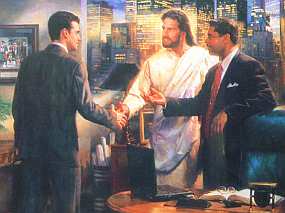 But every time I pick up a Christian novel, the same question comes through: Who ARE these people?
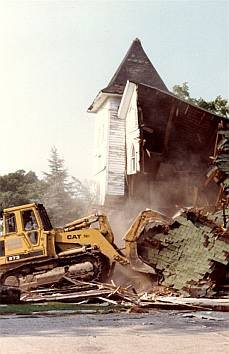 Yes, Cerulean Sanctum has jumped the shark. I used the title of an Ashton Kutcher movie for a post. This also marks the second time in eight days that Kutcher's been mentioned on this blog.